Understanding the Connection Between These Components
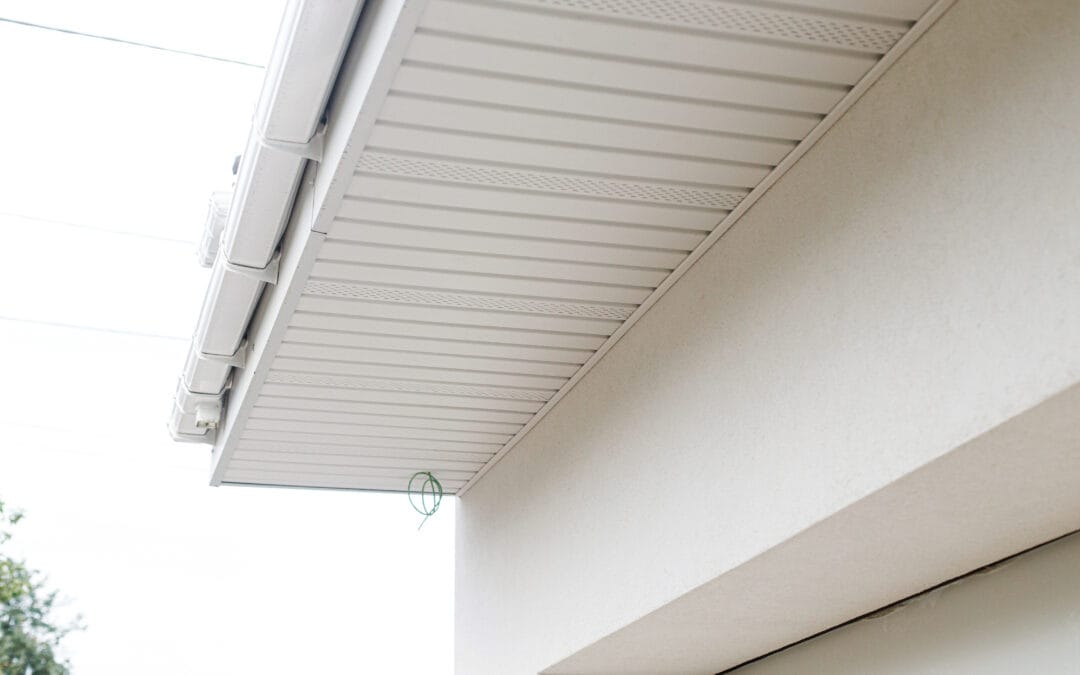
A complete water management system is formed by your fascia, soffit, and eavestroughs working together. Structural support for the eavestrough mounting is provided by the fascia board. Attic ventilation is allowed by soffit panels while the underside of roof overhangs gets protected. When one component fails, the others often follow. Extra stress is put on these materials by Ontario’s freeze-thaw cycles; coordinated replacement becomes particularly important for local homeowners. I suppose it’s like dominoes, in a way.
Timing Considerations for Maximum Efficiency
Complete removal of old gutters is required by most eavestrough installation projects. The fascia board gets exposed by this process, revealing damage that was previously hidden. Rot, warping, or pest damage can be assessed by contractors at this point. Plus, scaffolding and equipment are already in place. From what we’ve seen, property owners who wait often regret not addressing everything at once; separate projects are made expensive by the access costs alone.
Signs That Indicate Replacement is Necessary
Moisture penetration is signaled by soft or spongy fascia boards. Underlying wood damage is suggested by paint that peels repeatedly. Ventilation problems or water intrusion are indicated by soffit panels with gaps or staining. Structural compromises are pointed to by visible insect damage or bird nests. During eavestrough removal, these issues are often discovered when the full extent becomes apparent; that’s usually when homeowners realize the scope of needed repairs.
Material Options and Longevity Factors
Regular maintenance is required by wood fascia and soffit but traditional appeal is offered. Moisture and insects are resisted by aluminum alternatives while decades longer durability is provided. Budget-friendly durability with minimal upkeep is provided by vinyl options. Your home’s style and maintenance preferences often determine the choice. According to available data, wood is typically outlasted by aluminum installations in Ontario by 10-15 years. All materials are affected significantly by weather exposure and proper installation, to be fair.
Cost Benefits of Coordinated Projects
Duplicate setup costs, equipment rental, and labor mobilization are meant by separate projects. Total project costs are typically reduced by 30-40% when all three components are coordinated. Shared scaffolding, streamlined material delivery, and efficient workflow provide the savings. Over $2,000 was saved by one Ontario landlord we worked with by addressing everything together rather than piecemeal; labor efficiency improves when related tasks can be completed by crews in sequence. Hard to explain sometimes.
Professional Assessment and Installation Advantages
The entire roofline system is evaluated by experienced contractors during eavestrough projects. Potential problems are spotted by them before expensive repairs become necessary. All components are ensured to work together effectively by proper installation. The complete system is often covered by warranty coverage when installed simultaneously. Comprehensive roofline solutions that protect your investment long-term are specialized in by Cameron Bros Exteriors. Visit our website to learn more about coordinated fascia, soffit, and eavestrough services.
FAQ:
Q: Should I replace fascia and soffit at the same time as eavestroughs?
Look, it depends on their condition. If your fascia shows rot or your soffit has gaps, absolutely. The scaffolding and access are already there. That still surprises people.
Q: How do I know if my fascia needs replacing?
Soft spots when you press the board. Paint that won’t stick. Visible rot or warping. These signs get missed until the eavestroughs come down.
Q: Can I just replace the eavestroughs and leave old fascia?
Fair point to ask. You can, but damaged fascia won’t support new gutters properly. Water damage spreads quickly once it starts.
Q: What’s the cost difference between doing them separately versus together?
Funny enough, doing them together usually costs about 60% of what separate projects would. Labor and equipment setup are the big savings.