
Understanding the Water Flow System
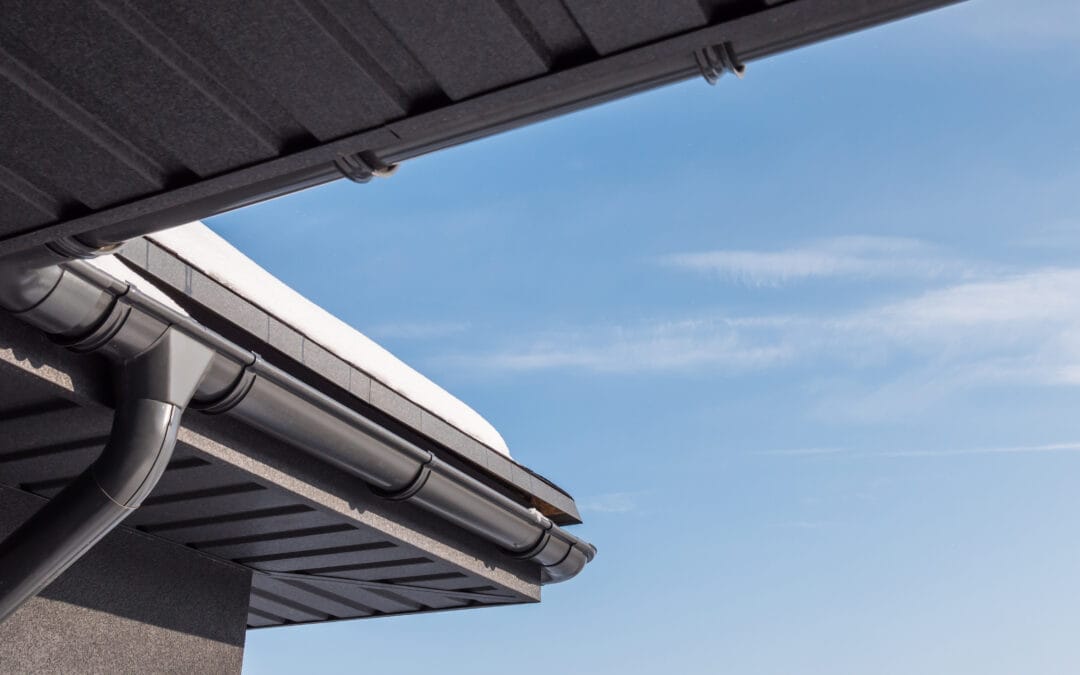
Like a network, your home’s drainage system functions in connected parts. Rainwater and melting snow are collected by gutters from your roof, then channeled through downspouts away from your foundation. Other paths are found by water when this system fails. Under shingles it seeps, around your foundation it pools, or ice dams are created during Ontario winters. From what we’ve seen, gutters that can’t handle the load are where most water damage starts. Interesting how that works.
Foundation Protection Basics
Serious problems are caused over time by water pooling near your foundation. When saturated, the soil expands; pressure is put on basement walls. This is made worse by freeze-thaw cycles. Water is directed away by proper eavestrough installation before your foundation can be reached. Plus, a safety buffer is created by extending downspouts. His basement flooding was stopped completely, one Toronto landlord told us, after his gutters were upgraded and extensions added.
Roof Health and Gutter Performance
Water is forced to back up under your roof’s edge by clogged gutters. Through shingles and into your attic or walls, this water seeps. When gutters overflow during winter, ice dams are formed; heavy ice buildup is created that can damage your roofline. Most of these issues are prevented by regular cleaning. But longer-term protection is offered by gutter guards installation, I suppose, keeping debris out while water is allowed to flow freely.
Sizing and Slope Requirements
Proper sizing is needed by gutters for your roof area and local rainfall patterns. Most homes work with standard 5-inch gutters, but 6-inch systems are needed by larger roofs or areas with heavy rainfall. The slope matters too. Every 10 feet toward downspouts, gutters should drop 1/4 inch. Water sits stagnant with too little slope; it flows too fast with too much, potentially overflowing at corners.
Maintenance That Actually Works
Most problems are prevented by cleaning gutters twice yearly. Winter debris is removed by spring cleaning, and damage is checked for. Your system is prepared for snow and ice by fall cleaning. Loose brackets should be looked for, small leaks, or sections pulling away from your house. If ignored, these get worse quickly. Issues that are often missed by homeowners during routine maintenance can be spotted by professional roofer services.
Professional vs. DIY Installation
Measuring, cutting, and mounting at proper angles is required by installing gutters. On ladders the work happens, often on steep roofs. Simple, single-story homes with straightforward rooflines can work for DIY installation. Professional installation is needed by complex homes with multiple levels, dormers, or unusual angles. Plus, professional installation is usually required by warranty coverage to remain valid. To be fair, it’s not always straightforward.
Long-term Investment Perspective
More upfront cost comes with quality gutters and proper installation, but money is saved over time. Frequent repairs and replacement are needed by cheap gutters. Thousands are cost by water damage from failed drainage systems to repair. More than a complete gutter system upgrade is typically cost by one foundation repair in Ontario. When you look at it long-term, the math works out pretty clearly. If professional eavestrough installation is what you’re ready for to protect your property, visit our website to learn more about our services.
FAQ:
Q: How often should I clean my gutters? Look, it depends on your property. Cleaning 3-4 times yearly is needed by homes with lots of trees. Others can get by with twice. This can be reduced significantly by gutter guards installation. That still surprises people.
Q: What’s the biggest sign my gutters aren’t working? The first red flag is usually water pooling near your foundation after rain. Paint peeling on your home’s exterior might also be noticed, or water stains on basement walls. Not always obvious at first.
Q: Can I install gutters myself? Fair point to ask. Handy homeowners can handle basic gutter installation, though experience is required for proper slope calculation and secure mounting. Warranty coverage and code compliance are ensured by professional roofer services.
Q: How far should downspouts extend from my house? Most Ontario properties work well with at least six feet from your foundation. Longer extensions are needed if your yard slopes toward the house. Your specific drainage situation is what it depends on.