
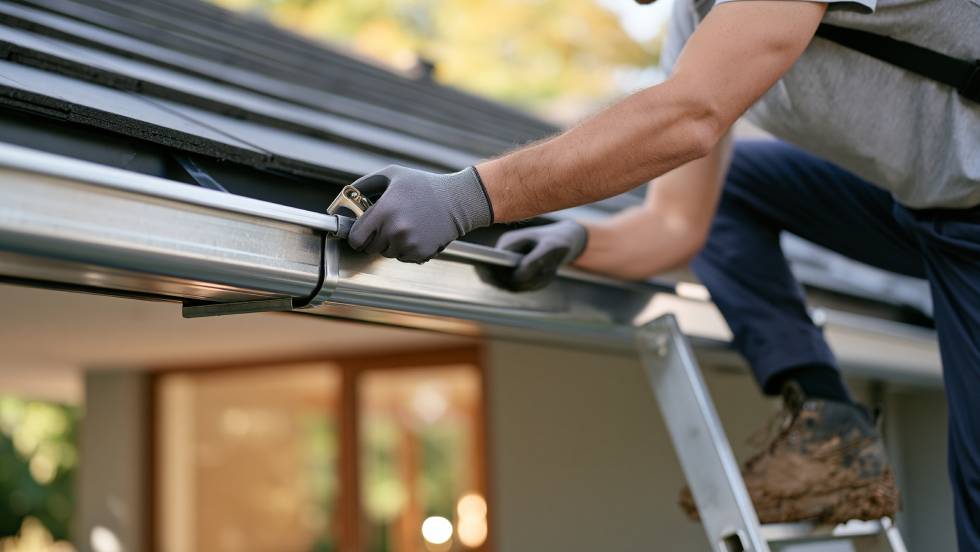
Your eavestrough system should be chosen based on roof size, local climate, and budget; aluminum is used well by most Ontario homes, while superior longevity is offered by copper. 5-inch gutters are typically required for proper sizing on standard homes, though 6-inch systems are needed by larger roofs. Material thickness and installation quality, I suppose, largely determine durability.
Fast Facts:
- Up to 1,400 square feet of roof area is handled by standard 5-inch eavestroughs
- 15-20 years is how long aluminum systems last with proper maintenance
- 50+ years of function can be provided by copper eavestroughs but cost 3-4 times more
- Systems rated for at least 40 pounds of snow load are needed by Ontario homes
- Leak points are reduced by roughly 80% through seamless installation
Understanding Eavestrough Materials
The Ontario market is dominated by aluminum for good reasons. Corrosion is resisted by it, steel is weighed less than, and copper options are cost significantly less than. The 15-20 year lifespan is found acceptable by most homeowners for the price point. Steel systems last longer but more maintenance is required to prevent rust. The premium choice is represented by copper, often lasting 50 years or more; though the initial investment runs three to four times higher than aluminum.
Calculating Proper Sizing
The minimum gutter size needed is determined by your roof’s square footage. Most residential applications up to about 1,400 square feet of roof area are handled by standard 5-inch systems. 6-inch gutters benefit larger homes, steep roof pitches, or areas prone to heavy rainfall. The downspouts matter too; one downspout will be needed by you for every 35-40 feet of gutter run. From what we’ve seen, more problems are caused by undersized systems than any other installation mistake.
Evaluating Durability Factors
Longevity is affected by material thickness more than most people realize. .025 to .032 is the range for aluminum gauges, with impact damage being handled better by thicker options. A huge role is played by the installation method too. Most potential leak points are eliminated by seamless gutters compared to sectional systems. Water flowing toward downspouts instead of pooling is ensured by proper slope. Snow loads up to 40 pounds per square foot should be handled by a well-installed system in Ontario.
Considering Local Climate Conditions
Eavestrough systems are tested harder by Ontario’s freeze-thaw cycles than steady cold climates. When gutters can’t drain properly, ice dams form, potentially damaging both the gutters and your roof. Debris buildup that contributes to ice dam formation is helped to be prevented by gutter guards. The material choice matters here too; less expansion and contraction than vinyl during temperature swings is done by aluminum. Generally speaking, better long-term performance is delivered by systems designed for northern climates.
Installation Quality Makes the Difference
Poor installation causes even premium materials to fail. Sagging under snow loads is prevented by proper fascia attachment. About 1/4 inch per 10 feet toward downspouts should be dropped by the slope. Maintenance needs are reduced and system life is extended by seamless installation. Seamless aluminum systems that are formed on-site for exact measurements are offered by many Ontario contractors. Joints where leaks typically develop over time are eliminated by this approach.
Making the Investment Decision
Material selection is often driven by budget, but the total cost of ownership should be considered. Replacement sooner and more maintenance are needed by cheaper systems. The best balance of cost and performance for most homeowners is offered by aluminum. Sense is made by copper for heritage homes or when you plan to stay long-term. Durability is affected by the installation quality regardless of material choice, to be fair. The real cost differences are helped to be understood by getting quotes from experienced contractors.
Getting Professional Assessment
The best eavestrough solution is determined by your specific situation. Roof design, local weather patterns, and budget constraints all factor into the decision. Drainage requirements can be calculated and appropriate sizing can be recommended by professional contractors. Potential issues like inadequate fascia support or poor roof drainage that affect system performance are also spotted by them. If your options are ready to be explored by you, our website should be visited to connect with experienced eavestrough specialists who understand Ontario’s unique requirements.
Mini-FAQ:
Q: What’s the most popular eavestrough material in Ontario? Most homeowners here choose aluminum. Freeze-thaw cycles are handled well by it and it costs less than copper or steel. Rust is resisted by the material and it stays lightweight on your fascia boards.
Q: How do I know if my roof needs 5-inch or 6-inch gutters? Look, this is determined by roof area more than anything else. 5-inch systems usually work fine for houses under 1,400 square feet. The 6-inch option is needed by larger roofs, steep pitches, or areas with heavy rainfall. The actual drainage requirements should be calculated by your contractor.
Q: Should I invest in gutter guards right away? They’re a fair point to consider during installation. Maintenance is reduced by guards and ice dam formation in winter is prevented. New systems make them easier to install than as retrofits. Reduced cleaning needs often pay back the upfront cost.
Q: What thickness should I choose for aluminum eavestroughs? .027 or .032 gauge aluminum is used by most residential systems. More is cost by thicker material but impact damage is handled better. Hailstorms or when ladders are leaned against them make the difference noticeable.